Recycling and Sustainability for Commercial Waste Removal Hatch End
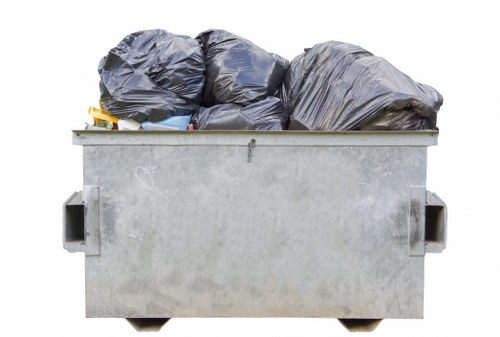 Commercial Waste Removal Hatch End focuses on creating an eco-friendly waste disposal area across business estates, retail parks and light industrial sites. Our approach to Hatch End commercial waste removal is rooted in measurable targets, partnerships and practical on-the-ground services. We work with local borough policies and emphasise a clear separation process to keep recyclable streams clean and valuable.
Every operation we run supports a wider sustainable rubbish area strategy in the borough. The goal is to reduce landfill, recover materials and reintegrate them into the local circular economy. That means food waste, paper and card, glass, plastic and metal containers, plus WEEE (electrical items) and construction rubble are handled through tailored collection and processing routes suitable for urban and suburban Hatch End locations.
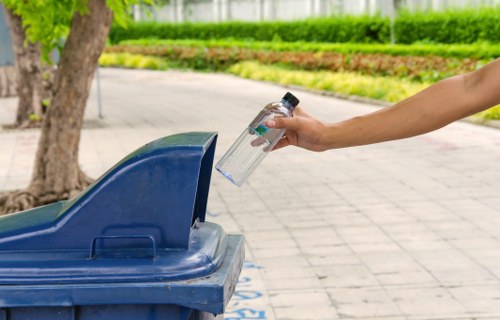 Our service is aligned with the London boroughs' approach to waste separation; many councils in the area—such as Harrow and neighbouring boroughs—recommend separate collection for food waste, glass and mixed recycling, while offering targeted schemes for bulky and hazardous items. As such, our commercial waste removal in Hatch End supports business segregation at source and provides clear signage, bins and training to ensure compliance and higher recovery rates.
Recycling Percentage Target and Measurement
We have set a transparent recycling percentage target for all Hatch End commercial waste removal contracts: a minimum of 70% diversion from landfill within three years for non-hazardous commercial waste streams. This target is split into milestones, monitored monthly, and adjusted with quarterly waste audits. Targets are realistic for local conditions yet ambitious enough to drive real change.To achieve this, we focus on source segregation, expanded reuse routes and maximising material recovery through local processing. Regular reporting and visible dashboards help clients see progress in real time and identify quick wins — for example improving cardboard compaction or increasing the capture rate of food waste for anaerobic digestion.
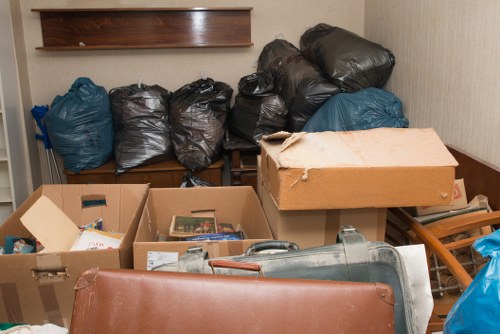 We also implement operational improvements such as weight-based bin audits, container swaps and education sessions. These simple steps can move a site from 40–50% recycling up to the 70%+ target by cutting contamination and routing clean fractions to beneficial reuse.
Local Transfer Stations and Processing Hubs
Hatch End commercial waste removal relies on accessible local transfer stations and processing hubs to keep transport miles low. We partner with several nearby facilities that specialise in:- Mixed dry recycling sorting and baling
- Organics and food waste for composting or anaerobic digestion
- Construction and demolition waste recovery
- WEEE and batteries for specialist recycling
Using local transfer stations reduces vehicle journeys and supports a low-carbon supply chain for the sustainable rubbish area. It also helps maintain traceability: every load is logged, split and sent to the most appropriate processor, supporting clients' sustainability declarations and municipal reporting needs.
Contracts include routing that favours borough-approved facilities wherever possible, ensuring compliance with local waste management plans and reducing the carbon intensity of transport and processing.
We actively cultivate partnerships with charities and social enterprises to give usable items a second life. Many businesses produce furniture, textiles, small appliances and office equipment suitable for reuse. Rather than consigning these to removal, our Hatch End commercial reuse pathways divert good-quality items to local charities and community groups, supporting social value while reducing waste.
Partnerships include scheduled bulk collection days for refurbishable goods, donation sorting and logistics services that match surplus items with local needs. Strong links with charities reduce disposal costs and increase the social impact of corporate sustainability programs.
 To support a resilient sustainable rubbish area, we also facilitate materials exchange between local businesses. Leftover packaging, pallets, and clean construction materials are often reusable on adjacent sites, cutting procurement needs and keeping materials in circulation.
Fleet choices are an important part of the low-carbon solution. Our Hatch End commercial waste removal fleet includes low-carbon vans and smaller electric vehicles for short urban runs, paired with Euro-6 trucks or hybrids for longer trips. Vehicle routing is optimised to minimise mileage and maximise consolidation of loads heading to the same transfer station.
 Investing in low-emission vehicles reduces local air pollution and aligns our operations with borough climate ambitions. We offer clients the option to request fully electric vehicle collections where operationally feasible, making it simple for businesses to lower the carbon footprint of their waste management.
Overall, our integrated approach — clear recycling targets, local transfer stations, charity partnerships and a low-carbon fleet — makes commercial waste removal in Hatch End a practical, accountable and sustainable choice. We help create an eco-friendly waste disposal area that supports local borough policies, drives material recovery, and builds a greener future for businesses and the wider community.
Keywords used: Commercial Waste Removal Hatch End, Hatch End commercial waste removal, commercial waste removal in Hatch End, eco-friendly waste disposal area, sustainable rubbish area.