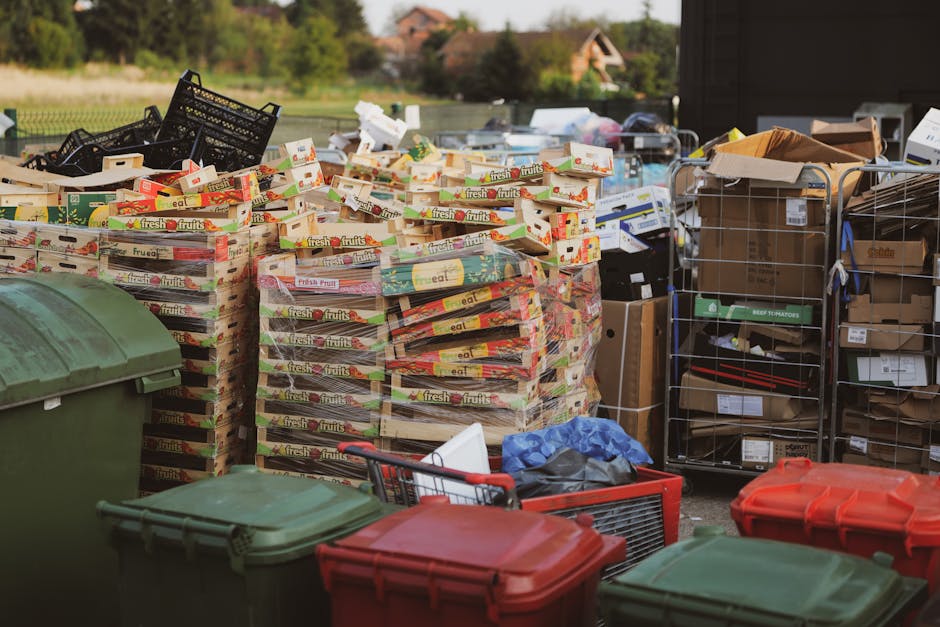
Hatch End Station rubbish collection guide
If you have ever stood near Hatch End Station with bags, boxes, or an awkward item you just want gone, you will know the feeling: it looks simple from the outside, then suddenly it is not. Timing matters. Access matters. So does knowing what can be taken, what needs special handling, and which disposal route makes the most sense. This Hatch End Station rubbish collection guide breaks it all down in plain English, so you can clear waste without the usual faff.
Whether you are clearing a flat before a move, tidying after a small refurb, or dealing with bulky household rubbish that will not fit neatly into a bin, the best approach is usually the one that is quick, lawful, and tidy. That is what this guide is here for.
Why Hatch End Station rubbish collection guide Matters
Rubbish collection around Hatch End Station is not just about getting waste off the pavement. It is about doing it safely, keeping common areas clear, avoiding neighbour complaints, and making sure you are not left with a pile of stuff that becomes everyone else's problem. In a busy local setting, even a small amount of waste can cause a surprising amount of friction.
Think about the practical side. A couple of black bags left too long can smell, attract vermin, and make a narrow entrance feel messy and awkward. A broken wardrobe or mattress can block a stairwell. Builders' debris near a station-side property can create a proper trip hazard. Truth be told, people often underestimate how fast rubbish turns from "I'll deal with that later" into "why is this still here?"
This guide matters because it helps you choose the right disposal route first time. That means less lifting, less waiting, and fewer expensive mistakes. It also helps you think ahead about items that need specialist handling, such as appliances, electronics, or anything potentially hazardous. If you are managing a clearance job, the calmest jobs are usually the ones where the waste plan was sorted before the mess began.
Expert summary: The best rubbish collection plan is the one that matches the waste type, the access you have, and the speed you need. In practice, that usually means separating bulky items, recyclables, and specialist waste before collection day.
How Hatch End Station rubbish collection guide Works
At a practical level, rubbish collection near Hatch End Station usually follows a straightforward pattern: you identify the waste, choose the collection method, prepare the items for removal, and make sure access is clear for pickup. Simple enough. The details, though, are where the job either runs smoothly or turns into a long morning with boxes in the hallway.
Most people looking for rubbish collection are dealing with one of a few common situations: household clutter, bulky furniture, post-renovation waste, garden waste, office clear-outs, or mixed rubbish from a move. Each of those has slightly different handling needs. A sofa, for example, is not the same as rubble. A fridge is not the same as a bag of clothing. And anything classed as hazardous should never be treated like normal rubbish.
If you are unsure how to separate items, services such as general waste removal can be a sensible starting point, while more specific jobs may need support such as furniture clearance, builders' waste clearance, or garden clearance.
In plain terms, the process is about matching the collection to the waste rather than trying to force everything into one method. That is the bit people skip, and then regret later.
Key Benefits and Practical Advantages
A good rubbish collection plan near Hatch End Station does more than make things look tidy. It saves time, reduces stress, and often reduces risk. There is a real difference between shifting waste in a rushed, improvised way and handling it with a clear plan. You feel it immediately, especially if you are dealing with stairs, narrow access, or a building where everyone seems to be going in and out at once.
- Faster clearance: You avoid multiple trips and repeated handling.
- Less disruption: Neighbours, tenants, staff, or customers are disturbed less.
- Better sorting: Recyclable items and reusable materials can be separated more easily.
- Improved safety: Clear walkways reduce slipping, lifting, and trip risks.
- More predictable costs: A clear scope means fewer surprises when quotes are assessed.
- Cleaner finish: The area is left looking properly dealt with, not half-finished.
Another advantage that people often miss is mental relief. Clearing waste is rarely just about waste. It is often about a move, a bereavement, a business change, or the end of a long DIY project. When the rubbish goes, the room starts to feel usable again. That matters more than people expect.
If you are dealing with large household items, services like mattress and sofa disposal or fridge and appliance removal can make the job much easier than trying to improvise with a car boot and a prayer.
Who This Is For and When It Makes Sense
This guide is for anyone who needs rubbish collected near Hatch End Station and wants to avoid the usual headaches. That includes homeowners, renters, landlords, letting agents, small businesses, shop operators, tradespeople, and anyone mid-clearance with more waste than they first thought. Happens all the time, to be fair.
It makes sense when you have:
- bulky waste that will not fit in regular bins
- a one-off clear-out after moving or downsizing
- post-renovation debris from light building work
- old furniture, mattresses, or appliances to remove
- office clutter, archive waste, or confidential materials
- garden waste that has built up after a tidy-up
- a garage, loft, or cupboard that has become a storage black hole
It is also relevant if you are trying to keep access around a property clear. Near transport hubs, there is often more foot traffic, tighter parking, and less tolerance for items being left outside. In that kind of setting, a prompt collection can be the difference between a smooth job and a complaint from three doors down.
If the job is mostly furniture, you may want to look at furniture disposal or a more general home clearance if the mix is broader. For business premises, business waste removal is usually the cleaner fit.
Step-by-Step Guidance
Here is the simplest way to handle rubbish collection without making it a bigger project than it needs to be.
- Sort the waste by type. Separate general rubbish, bulky items, recyclables, garden waste, electricals, and anything hazardous.
- Measure the volume. Not to the millimetre, obviously, but enough to know whether you are dealing with a few items or a full room.
- Check access. Look at stairs, narrow hallways, parking restrictions, locked gates, and whether items need to come through a communal area.
- Remove anything reusable. Keep documents, valuables, tools, chargers, and anything you still need before collection day.
- Choose the right collection route. A mixed household clear-out, for example, may need a broader service than a simple bag collection.
- Prepare items for safe lifting. Empty drawers, tape loose parts, and break down cardboard where possible.
- Book the collection. Use a provider that is clear about what they take, how access works, and what happens if they find restricted items.
- Keep the route clear. On the day, make sure items can be reached without squeezing through clutter.
- Confirm disposal expectations. Ask how the waste will be handled, especially if you want responsible recycling or specialist disposal.
For mixed jobs, many people use a broader service such as house clearance or flat clearance. If the contents are mostly stored items from the loft or garage, then loft clearance and garage clearance may be the better fit.
One useful habit: take a quick photo of the waste before you book. It is boring, yes, but it helps create a more accurate estimate and avoids that awkward "oh, there was a bit more than we thought" moment.
Expert Tips for Better Results
Over the years, the jobs that go best are nearly always the ones with a bit of preparation. Nothing fancy. Just common sense applied early. Here are a few things that genuinely help.
- Keep hazardous items separate. Do not mix paints, chemicals, batteries, or suspect containers with ordinary rubbish.
- Break down what you can. Flat-pack cardboard, dismantled shelving, and collapsed boxes take up less space and speed up loading.
- Protect shared areas. If waste passes through a hallway or lobby, place down a covering if needed.
- Bundle like with like. It makes the collection easier to load and often easier to quote accurately.
- Book around traffic and access. Around a station, timing can matter more than people expect. Early slots are often calmer.
- Ask about reuse and recycling. Not everything has to go to disposal. Some materials can be diverted if separated well.
A small but useful tip: if you have a fridge, sofa, or mattress, keep them accessible rather than buried behind other waste. Those items are often the ones that slow a collection down. The van is ready, the team is there, and then someone has to move three bags, a lamp, and a broken chair to get to the bulky item. Not the end of the world, just avoidable.
For anyone trying to reduce waste, recycling and sustainability is worth reviewing before collection day. It gives you a better idea of how to handle materials with less unnecessary disposal.
Common Mistakes to Avoid
Most rubbish collection problems are not dramatic. They are small mistakes that build into delay or extra cost. The good news is that they are easy to avoid once you know them.
- Leaving waste outside too early. It can look untidy and create unnecessary risk.
- Mixing restricted items into general rubbish. This is one of the quickest ways to complicate a straightforward collection.
- Underestimating the amount of waste. A few boxes often become a lot more once you open the cupboard.
- Not checking access in advance. Tight parking or locked gates can slow everything down.
- Forgetting about appliances. White goods and electricals may need special handling.
- Skipping the sort-out stage. It sounds quicker to pile everything together, but it usually is not.
Another common slip is assuming every item can simply be taken on the same day, no questions asked. In real life, that is not always how it works. If a provider spots a problem item, they may need to separate it or decline it. Better to flag it early. Saves the back-and-forth.
If the waste is commercial or contains sensitive paperwork, it may also be sensible to look at confidential shredding rather than just chucking documents into a mixed load. Easy win, really.
Tools, Resources and Recommendations
You do not need a lot of equipment to organise rubbish collection well, but a few simple tools can make the process cleaner and safer.
- Heavy-duty bin bags: useful for loose waste and smaller items.
- Gloves: basic, but very worthwhile for sharp edges and dusty items.
- Tape and marker pen: good for labelling boxes or securing loose pieces.
- Flat trolley or sack truck: helpful if you are moving heavier items to a collection point.
- Dust sheets or old blankets: useful for protecting floors and communal hallways.
- Phone photos: surprisingly helpful for quoting, planning, and avoiding disputes about what is included.
For many people, the most useful resource is simply choosing the right service in the first place. If you are clearing an office, office clearance can be more appropriate than a generic waste pickup. If you are dealing with building spoil, the better fit is often builders' waste clearance.
For pricing questions, pricing and quotes is a useful place to understand how estimates are typically approached, and book online is handy if you already know what you need and want to move quickly.
Law, Compliance, Standards, or Best Practice
Waste collection in the UK should be treated carefully, especially where household waste, business waste, electricals, or hazardous materials are involved. You do not need to become a legal expert to get this right, but you do need to follow sensible best practice and use a provider that handles waste responsibly.
The big practical point is this: do not place items out for collection in a way that creates a nuisance, a safety hazard, or confusion about ownership. If you are responsible for a property, you should make sure waste is stored and presented safely until it is collected. That is especially true around busy access points and communal areas.
Special care should be taken with:
- Electrical items: appliances, cables, and devices may need specific handling.
- Fridges and freezers: these are often treated differently because of their components.
- Hazardous materials: paints, solvents, chemicals, and similar items should never be mixed into general waste.
- Business waste: commercial premises have additional responsibilities around how waste is managed and recorded.
It is also good practice to keep your records straight if the waste comes from a business, a refurbishment, or a larger clear-out. If you need support from a provider that explains its approach to safe working and responsibility, pages such as health and safety policy, insurance and safety, and terms and conditions can help you understand expectations before you book.
For items that are more sensitive or regulated, it is always better to ask in advance than to guess. That tiny extra step can spare you a lot of hassle later on.
Options, Methods, or Comparison Table
Different rubbish collection methods suit different jobs. Here is a practical comparison to help you decide which route is likely to be the cleanest fit.
| Option | Best for | Pros | Watch-outs |
|---|---|---|---|
| General waste removal | Mixed household rubbish, bagged waste, small clear-outs | Flexible, straightforward, good for a wide mix of items | May not suit specialist waste or bulky items on their own |
| House or flat clearance | Full property clear-outs, moves, end-of-tenancy jobs | Handles larger volumes and mixed contents efficiently | Needs accurate access and volume information |
| Furniture clearance | Sofas, wardrobes, tables, chairs, mattresses | Good for bulky items that are awkward to move | Some items may need extra handling or disassembly |
| Builders' waste clearance | Renovation debris, rubble, timber, packaging | Suited to trade and DIY waste, often faster than ad hoc trips | Need to separate prohibited or hazardous materials |
| Garden clearance | Cuttings, soil, branches, outdoor clutter | Keeps outdoor spaces tidy without filling the household bin | Wet green waste and mixed loads can be heavier than expected |
If you are still unsure, a simple rule helps: choose the service that matches the dominant waste type, not the one that sounds the most convenient on paper. That usually saves time and awkward surprises.
Case Study or Real-World Example
Imagine a small flat near Hatch End Station after a long-overdue declutter. There are two broken chairs, a mattress, six bags of general rubbish, old kitchen items, and a couple of boxes from a wardrobe that was never quite finished. Nothing extreme, but enough to clog up the hallway and make the place feel cramped.
The sensible approach would be to sort the waste into three groups: bulky furniture, general rubbish, and any items that need special handling. In that kind of job, a combined clearance often works better than trying to manage each item separately. A service like flat clearance would suit the overall job better than several smaller pickups. The result is quicker loading, less back-and-forth, and no pile of leftovers sitting there after the main items are gone.
Now picture the same flat on a rainy morning. Wet cardboard, a narrow stairwell, someone else needing the entrance, and one wheelie suitcase somehow making everything harder. That is exactly why planning matters. A clear route, a realistic load estimate, and the right service type turn a messy job into a manageable one. Nothing glamorous, just effective.
In our experience, the best jobs are the boring ones. No drama, no confusion, no "we'll just leave this here for now."
Practical Checklist
Use this checklist before arranging rubbish collection near Hatch End Station.
- Have I separated general waste from bulky items?
- Are there any hazardous materials, sharp objects, or liquids?
- Do I know roughly how much waste there is?
- Is access clear for lifting and loading?
- Have I protected floors, doorways, or communal areas if needed?
- Are appliances, furniture, or boxes ready to be moved?
- Have I removed valuables, documents, and anything I still need?
- Do I know whether I need a general, bulky, or specialist service?
- Have I checked the booking details, timing, and terms?
- Do I want recycling or reuse considered where possible?
Quick takeaway: if you prepare the waste properly before collection day, the job almost always feels easier, faster, and less stressful. Funny how that works.
When you are ready to take the next step, it helps to work with a team that explains its process clearly and gives you a straightforward path to booking. If you want to compare options or get a sense of what your job might involve, start with the relevant service page and move from there. A little clarity now saves a lot of clutter later.
Get a free quote today and see how much you can save.
Conclusion
A solid Hatch End Station rubbish collection guide should do one thing well: make the whole process feel more manageable. That means helping you sort the waste, choose the right collection method, avoid common mistakes, and keep things safe and tidy from start to finish. Whether you are clearing a home, a flat, an office, or a mix of awkward bulky items, the basics stay the same: plan a little, separate waste sensibly, and book the right help for the job.
The real benefit is not just a cleaner space. It is the calm that comes from knowing the mess is being handled properly. And honestly, that calm is worth a lot on a busy day.
When the clutter finally goes, the space feels lighter. Sometimes that is exactly the fresh start you needed.
Frequently Asked Questions
What does Hatch End Station rubbish collection guide actually cover?
It covers the practical side of collecting and removing rubbish near Hatch End Station, including how to sort waste, choose the right disposal method, and avoid common collection problems.
Can I put mixed rubbish out for one collection?
Usually yes, but it helps to separate hazardous items, appliances, and bulky furniture from general rubbish. Mixed loads are common, but cleaner sorting makes the job easier and safer.
What if I have a sofa, mattress, and a few bags of rubbish?
That is a typical mixed clear-out. A furniture-focused service or broader waste removal option may be more suitable than treating each item separately.
How do I know if I need a clearance service rather than normal rubbish collection?
If you have bulky items, a lot of waste, or a full room to clear, a clearance service is often the better fit. Normal rubbish collection is usually more appropriate for smaller, simpler loads.
Are fridges and appliances handled differently?
Yes. Fridges, freezers, and other appliances often need special handling, so it is best to flag them before booking rather than adding them in at the last minute.
What should I do with hazardous waste?
Keep it separate and do not mix it with general rubbish. Paints, chemicals, solvents, batteries, and similar items need careful handling, and specialist guidance is usually the safest route.
How much preparation do I need to do before collection day?
Not a huge amount, but enough to make access easy. Separate the waste, remove valuables, clear the route, and make sure items are reachable without shifting half the room first.
Is rubbish collection suitable for office or business waste?
Yes, but business waste often benefits from a more structured service. If you are clearing an office or commercial premises, look for a route that fits the volume and type of waste involved.
Can rubbish collection help with recycling?
It can, especially if items are sorted well before collection. Reusable and recyclable materials are easier to manage when they are kept separate from general waste.
What if I am not sure how much waste I have?
Take a few photos and make a rough list of the items. That usually gives you enough to make a sensible booking decision and avoid underestimating the load.
Does access around Hatch End Station matter much?
Yes, quite a lot. Station-area streets and shared entrances can be tighter and busier, so timing and access planning can make the collection smoother.
What is the best first step if I want to book rubbish collection?
Start by identifying the main type of waste you have, then choose the service that matches it best. If you already know the job is ready, you can move straight to booking with a clearer idea of what is involved.