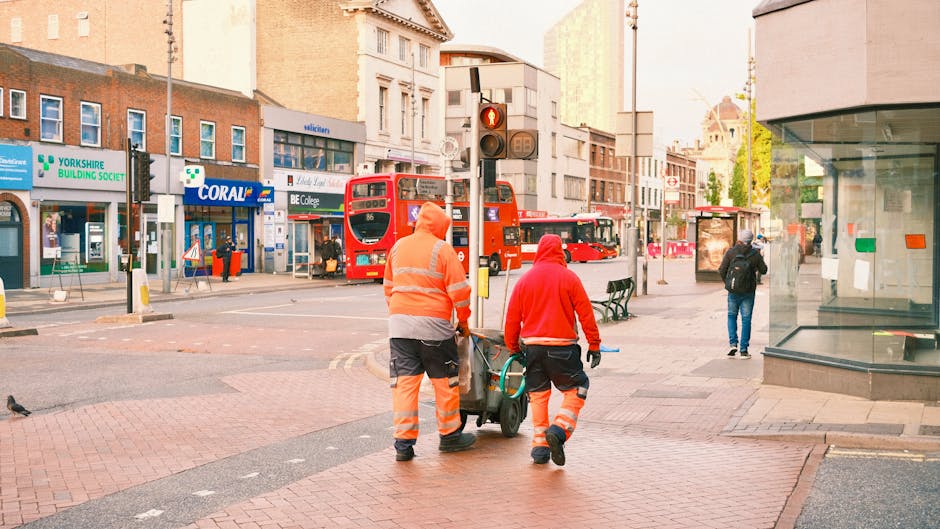
Hatch End High Street bulky rubbish clearance options

If you're staring at an old sofa, a broken wardrobe, a mattress that has seen better days, or a pile of mixed junk that won't fit in a car boot, you're probably looking for the simplest Hatch End High Street bulky rubbish clearance options. The tricky part is that bulky waste is rarely just "one thing". It often turns into a mix of furniture, appliance bits, packaging, garden debris, and the odd mystery item from the back of the garage. That's where the right clearance method saves time, hassle, and a fair bit of lifting.
This guide breaks down the practical choices available, how each one works, what to watch out for, and when a professional service makes the most sense. We'll keep it straight, local, and useful. No fluff. Just the stuff people actually need when they're trying to get a room, flat, shop, or property back into shape.
Why Hatch End High Street bulky rubbish clearance options Matters
Bulky rubbish is one of those jobs that looks manageable until you actually start moving it. A single chest of drawers is awkward enough. Add a sofa, an appliance, a couple of damp boxes from the loft, and suddenly you've got a planning problem rather than a lifting problem. On a busy street like Hatch End High Street, that matters even more because access, parking, timing, and neighbour disruption all come into play.
Choosing the right bulky rubbish clearance option helps you avoid clutter building up for weeks. It also reduces the risk of damage to hallways, stairwells, and walls - especially in flats and older properties where tight turns and narrow entrances make everything feel bigger than it is. Truth be told, the "I'll deal with it later" approach usually ends with the same thing: a room full of rubbish and an irritated Saturday.
There's also the simple question of what the item actually is. A clean wooden table is one thing. A fridge, a broken TV, a foam mattress, or anything that may count as hazardous waste is another. Some items need specific handling, and mixing everything together can make the job more complicated than it should be. If you want a broader overview of disposal routes, our waste removal service page is a useful place to start.
And for local businesses, the stakes are slightly different. A cluttered shopfront or back office can affect presentation, staff movement, storage, and compliance. It's not just about getting rid of stuff. It's about doing it in a way that suits your space and your day-to-day rhythm.
How Hatch End High Street bulky rubbish clearance options Works
Most bulky rubbish clearance follows a fairly simple pattern: identify what needs to go, decide how much there is, choose the right removal method, and then get it collected or taken away. The details are where things differ.
Some people can handle a small amount themselves using a car, van, and a trip to a local tip. Others need a crew because the item is too large, too heavy, or too awkward to move safely. In many real-life cases, it's not the volume that causes trouble, it's the shape. A bed base with no handles. A heavy cabinet with no clear grip points. A fridge that seems to weigh more on the stairs than it does on the floor. You know the type.
A professional clearance process usually begins with a description of the load, access details, and any special considerations. If there are tight stairs, limited parking, or mixed materials, that's the kind of thing a good operator should know before arrival. The better the briefing, the smoother the removal.
For items like old furniture, a dedicated route can be more practical. You might find the most suitable option is a targeted service such as furniture clearance or furniture disposal, especially if the job is mostly sofas, chairs, cabinets, or similar large pieces.
For mixed property clear-outs, the process can overlap with home clearance, house clearance, or even flat clearance. Those pages matter because bulky rubbish rarely arrives in one neat category. It usually arrives as "a bit of everything".
Key Benefits and Practical Advantages
The biggest advantage of the right clearance option is speed. What might take you several trips, a lot of lifting, and a sore back can often be dealt with in one visit. That alone is a relief for many people. There's also less disruption to your day, which sounds minor until you've spent two hours manoeuvring a wardrobe into a van while trying not to scuff the wall.
Another benefit is safer handling. Bulky items often have sharp edges, broken sections, or hidden weight distribution. A professional team can usually move them more efficiently and with a better feel for the awkward bits. That matters for staircases, tight entrances, and shared hallways where one wrong angle causes a scratch or a jam.
Then there's sorting. Bulky rubbish clearance is often most effective when recyclables, reusable furniture, and general waste are separated sensibly. If the team understands recycling and reuse routes, less material ends up treated as mixed waste. Our recycling and sustainability information is helpful if you want to think beyond simple disposal.
For some households, the advantage is emotional as much as practical. Clearing a bulky item can make a room feel bigger instantly. You notice the light again. You hear less echo from the hallway. The space starts to feel usable, which is often the real goal.
And for landlords, estate managers, and office teams, a fast turnaround can be the difference between a property staying presentable or drifting into the "we'll sort that later" zone. Let's face it, that zone is expensive.
Who This Is For and When It Makes Sense
Bulky rubbish clearance options are useful for a wide mix of people. Homeowners clearing one room, tenants leaving a property, landlords after a move-out, local businesses replacing furniture, and tradespeople finishing a project all have different needs, but they often face the same basic issue: too much to move easily, not enough time to waste.
You may want clearance if you're:
- replacing old furniture or white goods
- clearing a garage, loft, or shed
- emptying a flat between tenancies
- removing office desks, chairs, or filing units
- tidying after a renovation or decorating job
- dealing with garden items, broken fencing, or outdoor clutter
If the job is mainly inside a property, garage clearance, loft clearance, or house clearance may fit better than a simple one-off lift. If it's more about keeping a business space tidy and usable, office clearance or business waste removal may be the cleaner route.
This is also for people who don't fancy the hidden admin that can come with dumping bulky waste themselves. Booking, loading, driving, unloading, and checking what's actually allowed can turn into half a day gone. Sometimes it's worth paying for convenience. That's not laziness. That's sanity.
Step-by-Step Guidance
If you want to choose the right route without second-guessing yourself, follow this practical order. It's simple, but it works.
- List what needs removing. Write down the items and note whether any are especially heavy, fragile, dirty, or likely to need special handling.
- Check access. Think about stairs, lifts, parking restrictions, entry codes, and whether the item can be carried out in one piece.
- Separate special waste. Put aside fridges, freezers, mattresses, electronics, and anything possibly hazardous so it can be assessed correctly.
- Decide if the load is mixed or single-category. A sofa-only job is different from a whole flat clear-out.
- Choose the simplest option. Small jobs may suit a self-managed trip; larger or awkward loads usually suit a professional collection.
- Ask for a clear quote. Make sure the pricing is based on the actual load and access, not a vague estimate that changes later.
- Prepare the items. Remove loose contents, unplug appliances, and keep walkways open if you can.
- Confirm what happens after collection. Reuse, recycling, and responsible disposal should be part of the service, not an afterthought.
If you're not sure whether an item belongs in a mixed load or needs separate treatment, it's better to ask first. One fridge hiding in a pile of furniture can change the job completely.
Expert Tips for Better Results
The best clearance jobs are usually the boring ones. By that I mean: they're planned, measured, and not left to the last minute. A little preparation saves a lot of stress.
Here are a few things that make a real difference:
- Take a quick photo of the load. It helps when describing what needs to go, especially if the pile includes a bit of everything.
- Measure anything large. Sofa lengths, wardrobe heights, and door widths matter more than people expect.
- Clear the route first. Moving one bulky item through a cluttered hallway is how small jobs become annoying ones.
- Be honest about condition. A broken item may need different handling from a reusable one.
- Flag awkward access early. Narrow staircases, basement steps, and rear access through an alley should be mentioned before collection day.
One practical detail that gets overlooked: timing. If your street is busy, a collection window that avoids school runs or peak footfall can make the whole process calmer. You'll notice the difference almost immediately. Less waiting, less squeezing past pedestrians, fewer apologetic gestures with a mattress under your arm.
If you have a lot of mixed items, it can help to compare specialist routes. For example, a stack of old desks and chairs may be best handled differently from household clutter. If you want to keep the decision narrow, our furniture clearance and office clearance pages show the kinds of jobs those services are built for.
Common Mistakes to Avoid
A lot of bulky waste headaches come from small, avoidable mistakes. The classic one is underestimating the volume. Two items at first glance can become six when you start opening cupboards, lifting carpets, or checking what's hidden behind the shed door.
Another common mistake is mixing everything together without checking special items. Fridges, freezers, mattresses, and electronic items often need their own treatment. Not every provider handles them the same way, and dumping them into a standard load can cause delays or extra costs.
People also underestimate access. A piece of furniture that seems light enough in the lounge can suddenly become a two-person job at the bottom of the stairs. And if the route is tight, that can be the moment the scuffs begin. Annoying, yes. Preventable, also yes.
Then there's the assumption that the cheapest option is always the best. Sometimes it is. But sometimes a low quote hides extra charges, limited collection times, or no help with lifting. That's a false economy if the job ends up taking longer or causing damage.
Finally, don't leave it to the day before a deadline if you can avoid it. End-of-tenancy clearances, refurbishment handovers, and office moves always feel more rushed at 4pm on a Friday. Always.
Tools, Resources and Recommendations
You do not need a van full of specialist gear for every bulky rubbish job, but a few basics make life easier:
- Sturdy gloves for grip and protection
- Moving straps or trolleys for heavier items
- Measuring tape for access and item dimensions
- Heavy-duty bags or boxes for loose contents
- Protective blankets or covers to reduce scuffs
For larger domestic jobs, it can help to think in clearance categories rather than individual items. A bedroom clear-out, for instance, often combines old furniture, soft furnishings, and loose clutter. In those cases, mattress and sofa disposal may be useful for the larger pieces, while a broader home clearance approach may suit the rest.
If you're dealing with mixed appliance waste, check whether a dedicated route is more suitable. Our fridge and appliance removal page explains the logic behind handling white goods separately. It's one of those details that saves a lot of confusion later.
On the business side, if clutter includes documents, confidential files, or sensitive material, bulky clearance alone is not enough. Consider pairing it with confidential shredding so the clean-out is tidy in every sense. Small thing, but it matters.
Law, Compliance, Standards, or Best Practice
When you're arranging bulky rubbish clearance in the UK, the main thing is to make sure waste is handled responsibly and by people who know what they're doing. You do not need to be a waste expert yourself, but you should expect a clear process, sensible handling, and proper care around anything that could be hazardous or restricted.
For householders and businesses alike, the safest mindset is simple: identify the waste type correctly, keep hazardous items separate, and work with a provider that treats disposal properly. If an item could contain chemicals, fluids, sharp parts, refrigerants, or contamination, it needs extra attention. That's not overcautious. That's sensible.
Best practice also means being careful with access and manual handling. Heavy lifting, awkward carrying, and poor route planning increase the chance of injury or damage. A professional operator should have a sensible approach to this, including insurance and safety awareness. If you want to understand the standards behind that kind of approach, our insurance and safety and health and safety policy pages are useful references.
For reusable items, good practice is to avoid treating everything as landfill-bound. Reuse and recycling should be considered where possible. That is especially relevant for furniture, appliances, and clean, separable materials. It does not mean every item can be saved. It just means the route should be sensible, not lazy.
And one more quiet point: if you're managing a property, office, or shop, make sure the clear-out does not create blocking hazards for others. Common corridors, exits, and shared access areas should be kept open. Obvious, yes, but easily forgotten when there's a pile of stuff and a clock ticking.
Options, Methods, or Comparison Table
There is no single best bulky rubbish clearance option for every job. It depends on volume, access, urgency, and what the items are made of. Here's a practical comparison.
| Option | Best for | Advantages | Limitations |
|---|---|---|---|
| Self-transport to a disposal site | Small, manageable loads | Can be cheap if you already have transport | Time-consuming, lifting-heavy, not ideal for bulky or mixed items |
| Skip-based disposal | Renovation waste, ongoing clear-outs | Good for larger volumes and site-based work | Needs space, permits may be relevant, not always convenient for one-off bulky items |
| Man-and-van style clearance | Furniture, household clutter, mixed bulky waste | Fast, flexible, load-and-go convenience | Price depends on volume and access; special items may need separate handling |
| Specialist item removal | Fridges, mattresses, sofas, appliances | Tailored handling and better compliance with item type | May need coordination if your load includes other waste too |
| Full property clearance | House, flat, loft, garage, office clear-outs | Best for large, mixed or end-of-tenancy jobs | More involved planning, but usually the least stressful overall |
If you are mainly comparing disposal routes, one useful question is this: do I need to move the item once, or do I need to solve the whole space? If it's the latter, a broader clearance service is usually better than trying to tackle everything piecemeal.
Case Study or Real-World Example
Imagine a small flat near Hatch End High Street after a tenant move-out. The outgoing tenant has left behind a double mattress, a battered chest of drawers, an office chair, two broken shelves, and a pile of loose bags from the cupboard under the stairs. Nothing dramatic, but enough to make the hallway awkward and the living room feel half-finished.
A self-managed trip would probably mean several lifts, awkward parking, and multiple journeys. Not impossible, just a bit of a faff. A more practical route would be to group the larger pieces under flat clearance, handle the mattress properly through mattress and sofa disposal, and clear the rest as mixed bulky waste. The result is one coordinated job instead of three half-jobs.
Another common example is a garage clean-out. People often think the garage is full of "just junk", but once the sorting starts you find old tools, damp cardboard, damaged shelving, and a garden chair that seems to have survived three seasons too many. In that case, garage clearance is usually the cleanest fit because it's built for exactly that type of mixed load.
The point is not to overcomplicate it. It's to match the method to the mess. That's where the real saving is.
Practical Checklist
Before you book or start moving anything, run through this checklist. It keeps the job tidy and cuts down on avoidable surprises.
- Have I listed every bulky item that needs to go?
- Do I know which items are fragile, heavy, or awkward?
- Have I separated appliances, mattresses, and anything potentially hazardous?
- Is access clear from the item to the exit point?
- Have I checked for stairs, parking issues, or building restrictions?
- Do I need furniture-only, appliance-only, or full-property clearance?
- Have I asked about recycling, reuse, and special handling?
- Is the quote clear about what is included?
- Have I set aside anything I want to keep, just in case?
- Do I have a sensible day and time for the collection?
If you can tick most of those off, the job usually goes much more smoothly. Small preparations, big difference.
Get a free quote today and see how much you can save.
Conclusion
Finding the right Hatch End High Street bulky rubbish clearance options is less about chasing the cheapest route and more about choosing the one that fits your load, your access, and your timeline. A sofa-only job, a mixed flat clearance, and a garage full of random bits all need slightly different thinking. Once you match the method to the mess, the whole thing becomes much easier.
Whether you need a one-off bulky item removed or a fuller clear-out of a property, the best results usually come from good planning, honest descriptions, and a service that understands how local access and real-world clutter actually work. Not glamorous, but effective. And that's what matters.
When the last piece is gone and the room feels open again, you'll be glad you dealt with it properly. It's one of those small wins that quietly improves the week.
Frequently Asked Questions
What counts as bulky rubbish clearance?
Bulky rubbish clearance usually means removing large or awkward items that are too big for normal bin collections. That can include sofas, wardrobes, mattresses, tables, appliances, shelving, and mixed household clutter.
What is the easiest way to clear bulky waste from Hatch End High Street?
The easiest route is usually a professional collection where the items are loaded, removed, and handled in one visit. That is especially helpful if you have stairs, limited parking, or several large items.
Can I mix furniture, appliances, and general rubbish in one clearance?
Often yes, but it depends on the items. Some things, like fridges or other appliances, may need separate handling. It is best to separate anything special before collection so the quote and disposal plan are accurate.
Is it better to use a skip or a bulky waste collection?
If the waste is mostly renovation debris and you have space for a skip, that can work well. If you are mainly clearing furniture or mixed bulky items, a collection service is often more convenient because it avoids loading everything yourself.
What should I do with an old sofa or mattress?
Those items are usually best handled through a dedicated disposal route. A sofa or mattress is awkward to move and may also need more careful sorting than general rubbish, so it helps to use a service that deals with them properly.
Do I need to be at home during collection?
Usually yes, or at least you need to arrange access in advance. That depends on the provider and the property layout. It is always safer to confirm access details before the day arrives.
How do I know if something is hazardous waste?
If an item contains chemicals, sharp residue, fluids, batteries, gas components, or contamination, treat it carefully and ask before disposal. When in doubt, do not mix it with normal bulky waste.
Can bulky rubbish clearance help with a whole house or flat emptying?
Yes. For larger jobs, a more complete service such as house clearance, flat clearance, or home clearance is often the better fit because it handles mixed items in one coordinated visit.
What happens to the items after collection?
That depends on the item type and condition. Some materials may be reused, some recycled, and some disposed of as general waste. Good practice is to separate what can be handled responsibly rather than sending everything down the same route.
How far in advance should I book bulky rubbish clearance?
If your job is time-sensitive, book as early as you can. For standard clearances, a little lead time helps, but many people arrange it once the pile becomes impossible to ignore. Happens more often than you'd think.
What details should I give when asking for a quote?
List the number and type of items, any special waste, access issues, floor level, parking limitations, and whether you need a partial or full clearance. The more accurate the description, the better the quote.
Is bulky rubbish clearance suitable for businesses too?
Absolutely. Shops, offices, landlords, and trades often need bulky rubbish cleared just as much as households do. In fact, commercial jobs often benefit even more from fast turnaround and minimal disruption.